Have you ever wondered what it feels like to experience soccer in its most passionate setting? Imagine wandering through historic streets, soaking up the local atmosphere, and hearing chants echo across iconic stadiums. For those who crave both travel and sport, there is no better way to combine the two than a European soccer trip.
After all, this is the birthplace of iconic venues such as the Allianz Arena, home to one of Europe’s most celebrated clubs.
If you’d like to plan the perfect European soccer trip, you’re in the right place. At FC Bayern Academy, we’ll explore the places you can’t miss along with tips to make your trip a memorable one.
Top places to visit during your European soccer trip
As a soccer enthusiast, you can’t miss Europe. The continent boasts the most historic clubs, legendary stadiums, and passionate fan cultures in the world.
1. Allianz Arena, Munich
Rising like a gleaming jewel in the heart of Munich, the Allianz Arena is an experience that every soccer fan dreams of. With its striking, illuminated exterior that changes color with the team playing, it promises a spectacle even before you step inside. Walk through its vast concourses, feel the energy that surges through 75,000 seats, and imagine the roar of fans as history is made on the pitch. Visitors can explore exclusive behind-the-scenes areas, immerse themselves in the club’s history at the museum, and feel the sheer scale and excitement that make match days unforgettable. Experiencing the Allianz Arena is stepping into the very heart of Munich’s soccer culture, where every visit leaves a lasting impression.
2. Olympiapark München
Olympiapark München is a remarkable blend of history, sport, and stunning architecture, offering far more than just open green spaces. Originally built for the 1972 Olympic Games, the park still pulses with energy, inviting visitors to explore its futuristic stadiums, soaring towers, and scenic lakes. From thrilling activities like zip-lining and tower climbs to peaceful walks along its shaded paths, every corner of Olympiapark promises a memorable experience.
Besides, Olympiapark Munich is steeped in soccer history — its Olympic Stadium (Olympiastadion) has witnessed some unforgettable matches. In 1974, the stadium hosted the FIFA World Cup Final, where West Germany triumphed over the Netherlands. Later on, during UEFA Euro 1988, the very same ground saw the Netherlands lift the trophy with a 2–0 win over the Soviet Union. Across the years, the stadium also hosted three European Cup finals — in 1979, 1993, and 1997 — making it a true temple of European soccer.
3. FC Bayern Campus
The campus is a chance to step inside the world of one of Europe’s most legendary soccer clubs. Spread across a sprawling 30-hectare site in Munich, the campus is where Bayern’s future stars train, live, and grow, giving visitors a behind-the-scenes look at elite soccer development.
Guests can explore the state-of-the-art stadium that hosts youth matches, walk around the meticulously maintained pitches, and see the Skills.Lab, a high-tech training facility where young players hone their technique, tactical awareness, and decision-making. The campus also features multi-sport areas, fitness zones, and even on-site accommodations for rising talent — making it a complete hub for athletic excellence.
4. Don’t forget the city of Munich!
The third largest city in Germany is a place where history, culture, and soccer come together in a vibrant, unforgettable way. These are the places you can’t miss:
- Stroll through Marienplatz, the heart of the city, and admire the stunning neo-Gothic New Town Hall.
- Don’t miss the Viktualienmarkt, a bustling open-air market perfect for tasting local Bavarian delicacies.
- Spend an afternoon walking through the peaceful English Garden, one of the largest urban parks in the world.
Soccer fans can feel the city’s passion for the game in every corner, from local bars filled with cheering fans to historic stadiums that have hosted legendary matches. Munich blends the thrill of world-class soccer with rich cultural experiences, making it a destination that appeals to sports fans and culture lovers alike.
Tips for purchasing tickets for European soccer matches
Planning a dream soccer trip to Europe can be an exciting yet daunting task, especially when it comes to buying tickets for matches. The process might seem complex, but don’t worry. With a few top tips, you can secure your seats to witness the action live in some of Europe’s most iconic stadiums.
Start early
Planning ahead is key when it comes to buying tickets for soccer matches in Europe. As soon as you know your travel dates and the teams you want to see, start researching. Tickets for popular clubs sell out fast, and prices can rise significantly as the game day approaches.
Official club websites: your first stop
The most reliable way to secure tickets is through official club websites. Each club generally has its own way of selling tickets. Some might sell to members first and then release any remaining tickets to the general public. Others might sell directly to anyone. So, do your homework and find out how your preferred club operates.
Secondary ticket platforms
If you can’t get tickets directly from the club, or they’re sold out, don’t lose hope. You can opt for secondary ticket platforms that sell tickets bought by people who can no longer attend the match. These sites include Viagogo or StubHub. Be sure to use reliable platforms to avoid any potential scams.
Ticket packages or hospitality tickets
If you’re willing to splurge a little, consider buying a ticket package or hospitality ticket. These often come with perks like a guaranteed seat, access to exclusive areas in the stadium, and sometimes even meals or refreshments.
Know about away tickets
If you’re looking to support your team in an away game, keep in mind that away tickets are often harder to get. They’re usually sold to season ticket holders and club members first. If you still want to try your luck, check the home team’s website for any available tickets in the ‘away’ sections of the stadium.
Avoid scalpers
While there might be tempting offers from scalpers around the stadium, it’s safer to avoid them. These tickets are often overpriced and there’s a risk of them being counterfeit or invalid.
Follow local laws and regulations
Remember, ticket purchasing rules can vary from country to country and even between different clubs within the same country. Therefore, it’s crucial to understand local laws and regulations related to ticket purchases.
The best time of year for a European soccer trip
When is the best time to embark on your European soccer trip? Let’s dive in and find out!
Understanding the European soccer season
The European soccer season typically runs from August to May, with a short break around Christmas and New Year’s. Most games are played on weekends, although there can be midweek matches too, particularly in leagues with a high number of teams or for tournaments, like the UEFA Champions League.
Peak season: spring
If you’re looking to experience the most nail-biting, edge-of-your-seat soccer action, spring is the perfect time to visit. This is the business end of the season, when titles are decided, relegation battles are fought, and the Bundesliga, Champions League and Europa League reach their climax.
Budget considerations: autumn or winter
For those on a tighter budget, fall or winter can be a more affordable option. Flights and accommodations are generally cheaper during these months, and stadiums are often less crowded—giving you a chance to secure better seats. However, remember that winter matches may be cold and wet.
- Pro tip: keep an eye on the fixture schedule, as some matches are subject to change due to TV broadcasting rights or other events. You wouldn’t want to fly all the way to Europe only to find out the game has been rescheduled!
Off-season: summer
If your only available travel window is the summer, don’t despair. While it’s true that most leagues have their off-season in the summer, there are still some soccer-related activities you can enjoy. This is when teams often go on pre-season tours, playing friendly matches in different countries. Plus, major international tournaments like the World Cup or European Championships are held in the summer every two years.
Navigating through European cities: travel and transportation tips
Planning a European soccer trip can be exhilarating, but navigating through the maze of European cities can also be daunting. Let’s go through some pieces of advice.
Public transportation is your best friend
Most of Europe boasts an excellent public transportation system – from trams, buses, and metros to regional and high-speed trains. Embrace these options! It’s pretty straightforward, economical, and an authentic way to experience the city. Plus, it’s an eco-friendly choice.
Get familiar with the local transit apps
Each city usually has its own transit app that can be a lifesaver. They provide real-time information, route suggestions, and often, ticket purchase options. Get these on your phone and be a step ahead.
Cycling or walking may be the ideal choice
Many European cities are quite compact and pedestrian-friendly. Cities like Amsterdam, Copenhagen or Munich are best explored on a bike, while places like Florence or Madrid are great for walking. It’s a delightful way to take in the local vibe, and hey, it’s free!
Respect the Rules
Whether it’s validating your ticket before a journey (a common practice in many European cities), giving up your seat for elderly or pregnant passengers, or not eating or drinking in certain vehicles – make sure to follow the local etiquette and regulations. It’s important to recognize that these rules are in place to ensure a comfortable journey for everyone.
Taxis and Rideshares
While generally more expensive, taxis or rideshare services like Uber can be a good option for late-night travel or when you’re laden with luggage. Just be wary of taxi scams, especially around airports or train stations.
Ask the Locals
When in doubt, ask a local. Most Europeans are friendly and will be more than happy to help you find your way. Plus, it’s a great way to strike up a conversation and get some insider tips!
Safety and health considerations for your European soccer trip
Before you embark on your thrilling European soccer adventure, it’s essential to prioritize your safety and health. Exploring new stadiums, diving into local cultures, and cheering on your favorite teams can be truly exhilarating, but equally important is ensuring that you return home healthy and happy. So, let’s delve into some key safety and health considerations you should keep in mind.
Stay updated on travel advisories
Keep a regular check on the US Department of State’s travel advisories for the countries you plan to visit. These advisories provide valuable information about current health risks, political situations, and other safety-related concerns in different countries.
Befriend your travel insurance
Accidents, illnesses, and unexpected circumstances can happen anytime, anywhere. Therefore, it’s a smart move to have a comprehensive travel insurance policy in place. This can cover any medical emergencies, trip cancellations, or lost belongings. Remember to read the fine print to know exactly what your policy covers.
Respect local customs and laws
While it’s exciting to immerse yourself in a new culture, it’s crucial to remember that different countries have different customs and laws. Always be respectful and mindful of local traditions and regulations. This not only ensures your safety but also enriches your experience.
Keep emergency contacts handy
Ensure you have a list of emergency contact numbers for each country you’re visiting. This should include numbers for local police, ambulance services, and the nearest U.S. embassy or consulate. Also, inform your friends or family about your travel itinerary and keep them updated.
Your journey to Europe starts here
Embarking on a European soccer trip means stepping into the heart of a sport that has captured the passion of millions across the continent. From the awe-inspiring Allianz Arena to the historic Olympiastadion in Munich, and the cutting-edge FC Bayern Campus, every corner of this journey offers unforgettable experiences for fans of all ages.
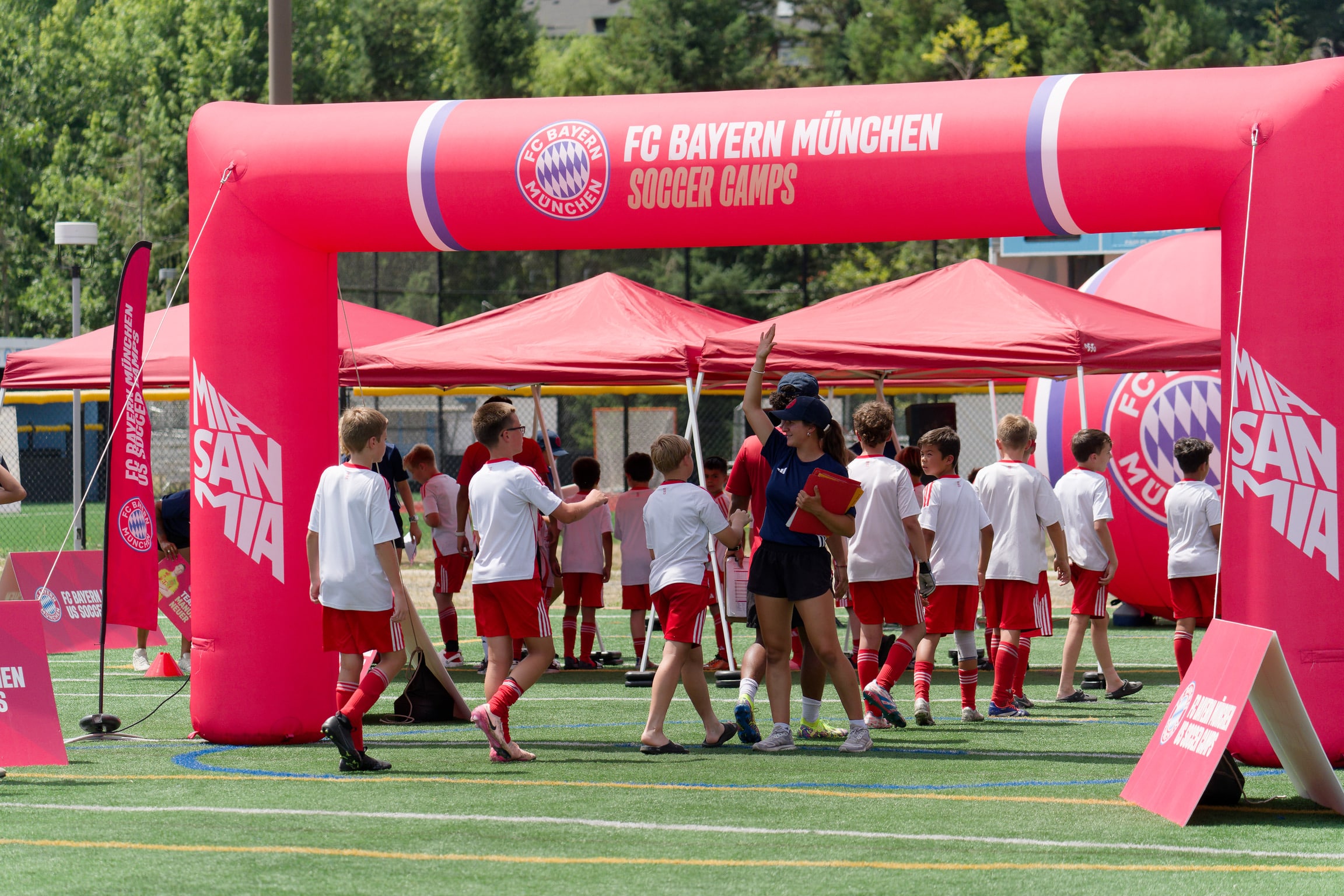
If you’re inspired by what Europe has to offer, you don’t have to wait to be overseas to start training like a pro. The FC Bayern Academy soccer camps in the US bring the club’s world-class coaching, philosophy, and excitement closer to home. Whether you’re dreaming of your first European adventure or aiming to develop your skills under elite guidance, combining travel, culture, and soccer has never been more achievable—or more thrilling. Your next great soccer story could start on the pitch at a Bayern camp and continue in the stadiums of Europe!