Strikers often grab the headlines with flashy goals, but as the old saying goes, “attack wins you games, defense wins you titles.” To truly appreciate the beautiful game, one must look beyond the scoreboard and ask: What does a defender do in soccer?
Far from just being a physical barrier, a defender is a tactical strategist, a precise passer, and the team’s ultimate guardian. They are responsible for reading the game’s rhythm, neutralizing the league’s fastest attackers, and transforming a regained ball into a lethal counter-attack.
At the FC Bayern Academy, we pride ourselves on developing “Total Players” who understand every blade of grass on the pitch. In this guide, we are going to explain the multifaceted responsibilities of the defensive line—from the traditional art of the tackle to the sophisticated “Libero” role pioneered by our own legend, Franz Beckenbauer.
What does a defender do in soccer? Its Role
While the scoreboard highlights the goal-scorers, the backbone of any championship team is its defensive unit. Modern defending is a sophisticated blend of physical grit and high-level playmaking. Here is how top-tier defenders impact the pitch:
-
Maintaining Defensive Compactness: A defender’s primary mental task is to keep the lines “tight.” By constantly communicating with the midfield and fellow backs, they ensure the team remains synchronized, closing gaps that opponents look to exploit.
-
Dictating the Tempo: Because they operate from the back, defenders have a “bird’s-eye view” of the entire field. This perspective allows them to read the game’s flow, identifying when to slow down the pace to keep possession or when to accelerate with a long-range pass.
-
Elite Ball Distribution: The best defense is often a good offense. Modern defenders act as the first point of attack, utilizing precision passing to bypass the opponent’s press and find midfielders or forwards in space.
-
Tactical Interventions: Of course, the physical core of the role remains: preventing goals. This requires mastery of the “dark arts”—perfectly timed tackles, goal-line blocks, and decisive clearances to neutralize immediate danger.
Success in the backline demands a cool head, peak physical conditioning, and elite tactical intelligence. As the team’s guardians, defenders must be willing to put their bodies on the line to protect the goal.
While roles may shift based on team strategy or the specific threats posed by an opponent, the hallmarks of a world-class defender never change: constant alertness, unwavering readiness, and the courage to make a game-saving intervention.
The Primary Responsibilities of a Soccer Defender
Every soccer player carries a considerable weight of responsibility on their shoulders. However, when it comes to defenders, the pressure is even more intense. They are the last line of defense, standing between the opponent and their goal. When done right, defending turns into an art form, balancing anticipation, physicality, and strategic thinking. Let’s delve into some of the key responsibilities of a soccer defender.
Preventing Goal Scoring Opportunities
This task requires a high level of concentration and anticipation. The defender must be able to read the game effectively, understanding how the opposition is likely to attack and positioning themselves accordingly in advance. An excellent defender makes it difficult for the opposition to even get a shot at goal, let alone score one.
Winning the Ball Back
This often involves tackling, intercepting passes, and challenging for headers. However, it’s not just about brute force. Timing is crucial in these situations. A sloppy tackle can result in a penalty or free-kick for the opposition, and mistiming a jump can leave the defender out of position. Therefore, the defender needs to display expert timing and decision-making skills in these situations.
Marking the Opposition
Marking opposition players involves staying close to a specific opponent and attempting to limit their impact on the game. The defender must work hard to ensure their marked player doesn’t receive the ball in dangerous areas and disrupt their rhythm, making it difficult for them to make productive plays.
Distributing the Ball Effectively
While preventing goals is certainly the top priority for a defender, they also have a responsibility to distribute the ball effectively after winning it back. It’s not enough to simply kick the ball away in panic. A quality defender maintains composure, taking a moment to pick out a teammate and pass the ball accurately to kick-start a counter-attack. This requires not just excellent ball control but also a good understanding of the game and spatial awareness.
Being a Leader on the Field
Lastly, defenders have a clear view of the entire pitch and can, therefore, guide their teammates and organize the defense. From arranging the defensive line for an offside trap to coordinating marking assignments during corners, the defender plays a significant role in maintaining team discipline and shape.
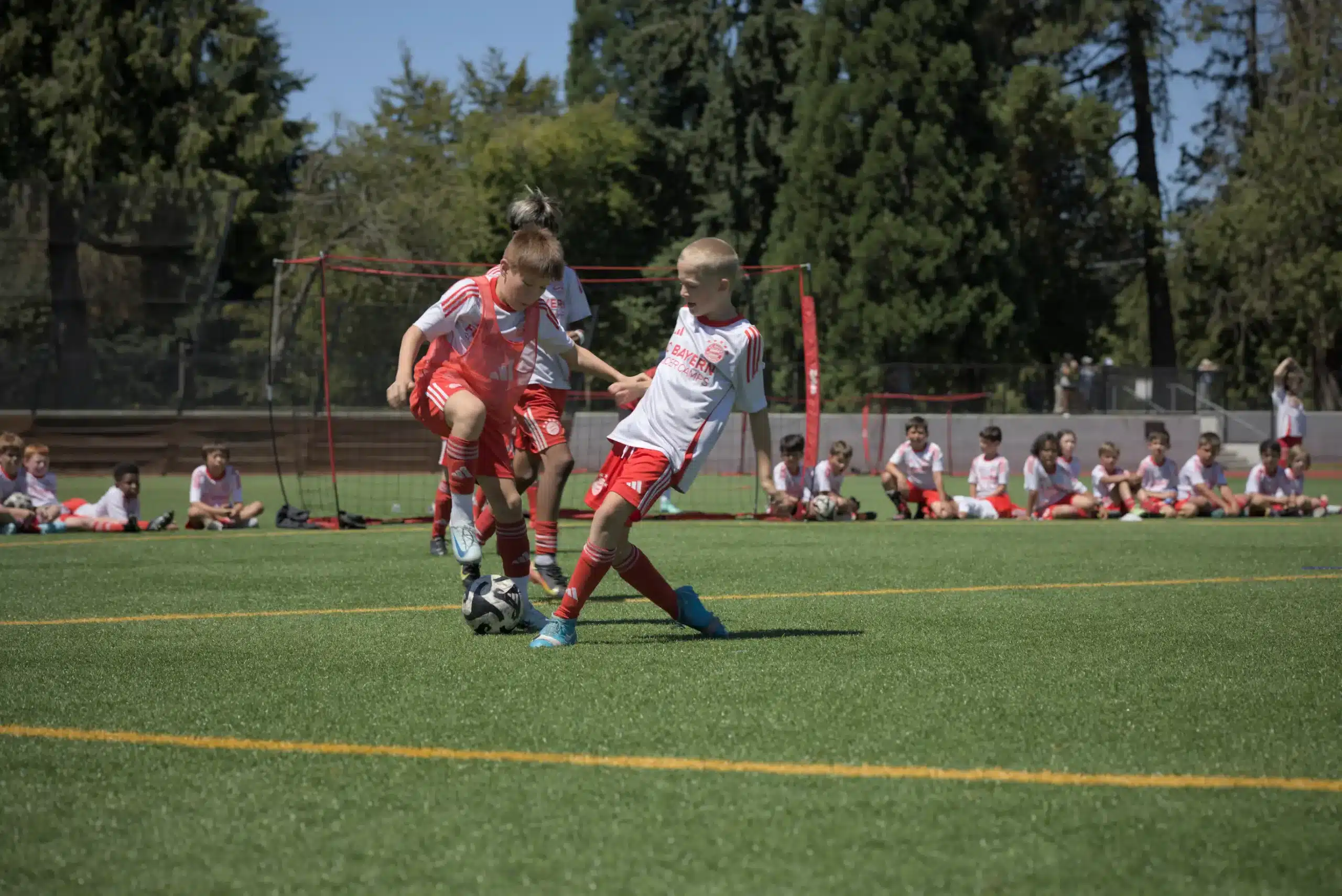
Different Positions of Defenders in Soccer
Defenders are the tough, fast, fearless knights of the beautiful game. But did you know there are different positions even within the defense? In soccer, there are primarily four positions that a defender can take up, namely, the center-back, the full-back, the wing-back, and the sweeper. Let’s dive straight into it.
1. Center-back
Often dubbed the “heart of the defense”, the center-back plays right in the middle of the backline. This is one of the most crucial positions on the field as you’re the last line of defense before the goalkeeper. The role requires excellent heading skills, a high level of physical strength, and top-notch tackling prowess. Many soccer greats like Franz Beckenbauer have left their indelible mark in this position.
2. Full-back
Full-backs are positioned on either side of the center-backs. Typically, a team has a right full-back and a left full-back. Their role involves both defensive duties and supporting attacking moves down the flanks. The position demands great stamina to run up and down the flank and the ability to deliver good crosses into the opposition’s penalty area. Philipp Lahm, for example, has dazzled the world with his performance as full-back.
3. Wing-back
This position is somewhat of a hybrid between a full-back and a winger. These defenders usually play in teams that use a three-center-back system and are responsible for covering an entire flank, both in defense and attack. They must have the speed of a winger, the strength of a defender, and the stamina of a marathon runner. Throughout his career, Joshua Kimmich has delivered masterclasses in the wing-back role, blending tactical discipline with elite playmaking.
4. Sweeper (Libero)
Finally, we have the sweeper or the ‘libero’ – an Italian term meaning ‘free’. This is a somewhat old-fashioned role, not used as commonly in the modern game, but still, it’s important to know. The sweeper’s role is to mop up any attacks that breach the defensive line, acting almost as a safety net. The position also requires great ball control and passing ability, as sweepers often initiate attacks after winning the ball. Again, Franz Beckenbauer, affectionately known as ‘Der Kaiser’, was a master of this role.
Key Skills and Attributes of a Successful Defender
Being a defender is an art that requires a specific set of skills and attributes, honed with practice and dedication. So, let’s see what makes a great soccer defender.
1. Tactical Awareness
This means understanding the game, predicting opponent moves, and making smart decisions under pressure. They need to know when to tackle, when to hold their position, and when to intercept the ball. Simply put, a defender with tactical awareness is the chess player of soccer.
2. Strong Communication
A good defender must be able to communicate effectively with their teammates, guiding and organizing them on the field. It’s the defender’s job to ensure everyone is in the right position and ready to intercept any threats. In fact, defenders often act as the ‘eyes and ears’ of the team, as they have a full view of the field and the unfolding game.
3. Physical Fitness and Agility
These soccer players need to possess the stamina to keep up with fast opponents, the strength to win challenges, and the agility to adjust their position quickly. Alongside fitness, they also need good balance and coordination to control the ball effectively and make accurate passes.
4. Mastery of Defensive Techniques
A successful defender needs to be a master of defensive techniques. This includes tackling, blocking, intercepting, heading, and marking. These techniques, when executed correctly, can disarm the opponent, prevent goals, and initiate counterattacks. It’s about being a wall that opponents find hard to penetrate.
5. Mental Toughness
Defenders are often under immense pressure during matches, and their mistakes can directly lead to goals. They need to have the ability to stay calm and composed, maintaining their focus irrespective of the game situation. Mental toughness also means having the resilience to bounce back from setbacks and not let past errors affect future performance.
10 Examples of World-Class Soccer Defenders
At FC Bayern, our defensive philosophy spans generations and genders.
Carina Wenninger
A true club icon who made over 200 appearances for Bayern. She was the heart of the defense for over a decade, leading the team to multiple Bundesliga titles with her grit and organizational skills.
Philipp Lahm
A tactical genius who rarely needed to slide tackle because his positioning was so perfect. He was a master of both full-back positions and serves as the ultimate example of “clean” defending.
Katharina Baunach
A key figure during Bayern’s rise in the women’s game (2006–2017). A versatile defender who was instrumental in the club’s first DFB Cup win and consecutive league titles in 2015 and 2016.
Franz Beckenbauer
Marina Hegering
Nicknamed “Maschina” (The Machine), she was renowned for her robust, physical style of play and her ability to organize a backline under extreme pressure.
Lúcio
The quintessential “attacking center-back.” The Brazilian was famous for his powerful, surging runs from deep defense into the opponent’s box, proving that defenders can be a constant offensive threat.
Alphonso Davies
“The Roadrunner.” His game is built on recovery speed. He teaches young players how to use athleticism to rectify tactical errors and shut down the world’s fastest wingers.
Glódís Perla Viggósdóttir
The current captain of the Bayern Women’s team. She is a modern center-back who excels in aerial duels and provides the vocal leadership necessary to keep the defensive lines tight.
Giulia Gwinn
One of the best right-backs in the world. She balances defensive duties with elite attacking output, showcasing the stamina and crossing ability required of a modern full-back.
Dayot Upamecano
A dominant physical presence known for his proactive defending—stepping out of the line to intercept passes and using his strength to win 1v1 duels before the attacker can turn.
Training and Development Tips for Aspiring Soccer Defenders
Congratulations on making it this far. You’ve learned about the role, responsibilities, and key attributes of a soccer defender. Now let’s get down to the brass tacks – training and development for your journey as a defender. Here are some practical, tried-and-true tips to help you bring your A-game on the field.
Fine-tune Your Technical Skills
Technique is a pivotal part of a soccer defender’s arsenal. Your ability to control, pass, and intercept the ball can dramatically affect your team’s performance. Here are a few ways to hone your technical skills:
- Regularly practice drills that improve your passing accuracy and ball control.
- Work on your heading game. A good defender can use their head to clear the ball from danger zones during corners and crosses.
- Take time to perfect your slide tackling. It’s an art that can save the day when all else fails, but it’s crucial to learn how to do it without conceding fouls.
Boost Your Physical Fitness
As a defender, you’ll need to be on top of your physical game. Stamina, strength, speed, and agility are all critical, so incorporate specific workouts to cater to these needs:
- For stamina, nothing beats long-distance running. It helps build the endurance you’ll need for those full 90-minute games.
- Strength training, especially leg workouts, are key for improving your tackling and shielding abilities.
- Speed and agility drills can help you keep up with fast forwards, change directions quickly, and improve your overall mobility on the field.
Develop Your Tactical Understanding
Soccer is often compared to chess for a good reason. Understanding the tactics of the game is just as important as having the skills and fitness. Here’s how you can build on this:
- Watch professional soccer games regularly. Focus on observing how top defenders read the game, position themselves, and interact with their team.
- Regularly discuss game strategies and formations with your coach. It can help you understand your role better and adapt to changing game situations.
Cultivate the Right Mindset
Last but not least, let’s talk about the mental aspect. Calmness, bravery, and leadership are some crucial qualities of a top-notch defender. Cultivate this mindset by:
- Practicing mindfulness and visualization techniques. They can help you stay calm under pressure and react better to different game scenarios.
- Stepping up to take responsibility, both in success and failure. It’s part of the game and an essential aspect of being a leader on the field.
The Foundation of Victory
So, what does a defender do in soccer? We learned that while the glory of soccer is often measured in goals, its soul is found in the resilience of the backline. Being a defender is a selfless pursuit that requires a rare combination of physical courage and intellectual discipline. As we have explored, a great defender is more than just a stopper; they are the architect of the transition, the leader of the formation, and the psychological anchor of the entire team.
Is your child ready to take their game to the next level? We invite all kids who are passionate about soccer to join us at our FC Bayern Academy summer camps across the US. This is the perfect opportunity for young players to experience our world-class training methodology firsthand, sharpen their defensive tactics, and learn to play the “Bayern Way.”